Stay updated with our latest product innovations, exhibition schedules, and company developments as we continue to expand our global market presence and technical capabilities.
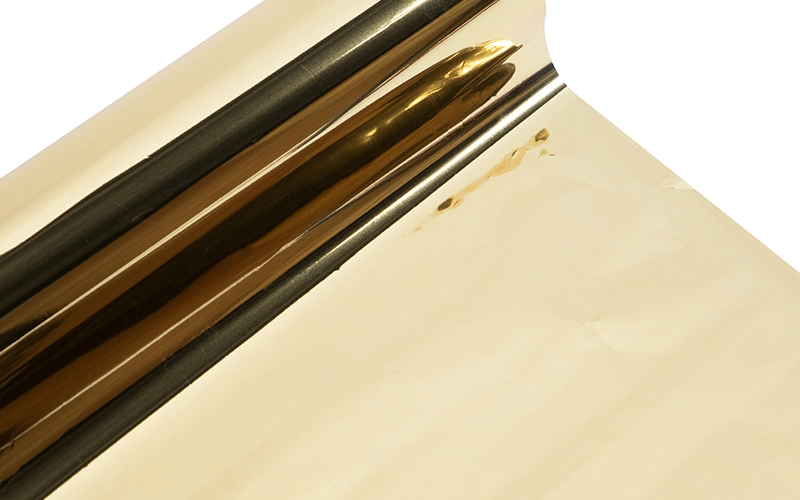
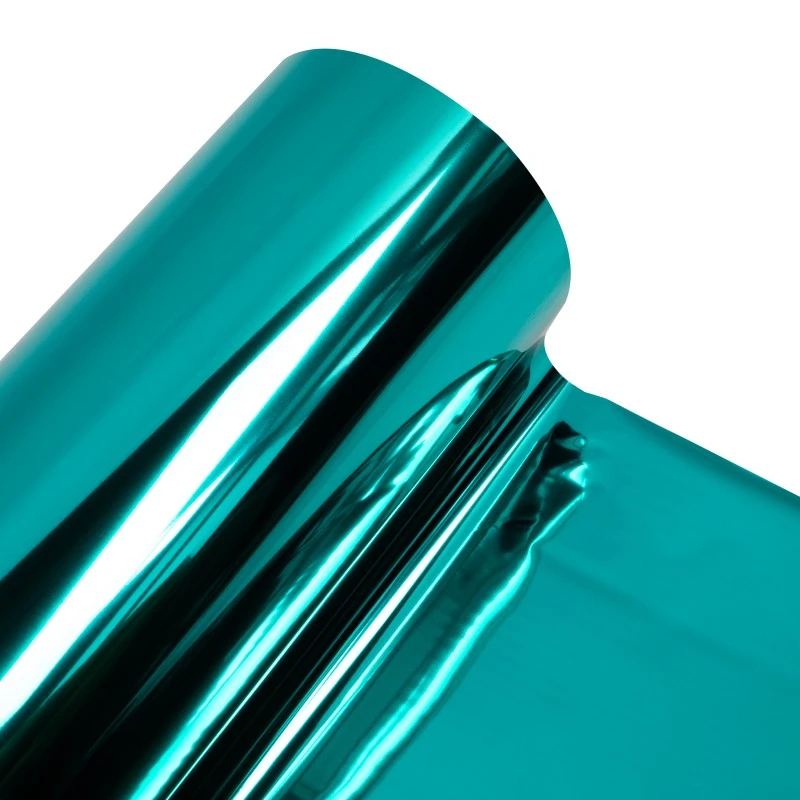
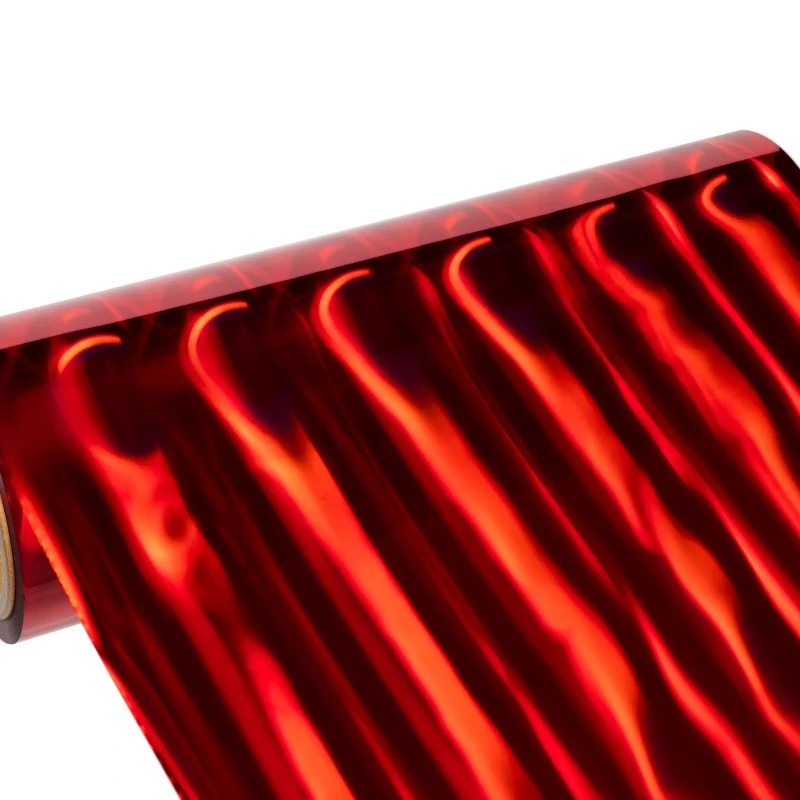
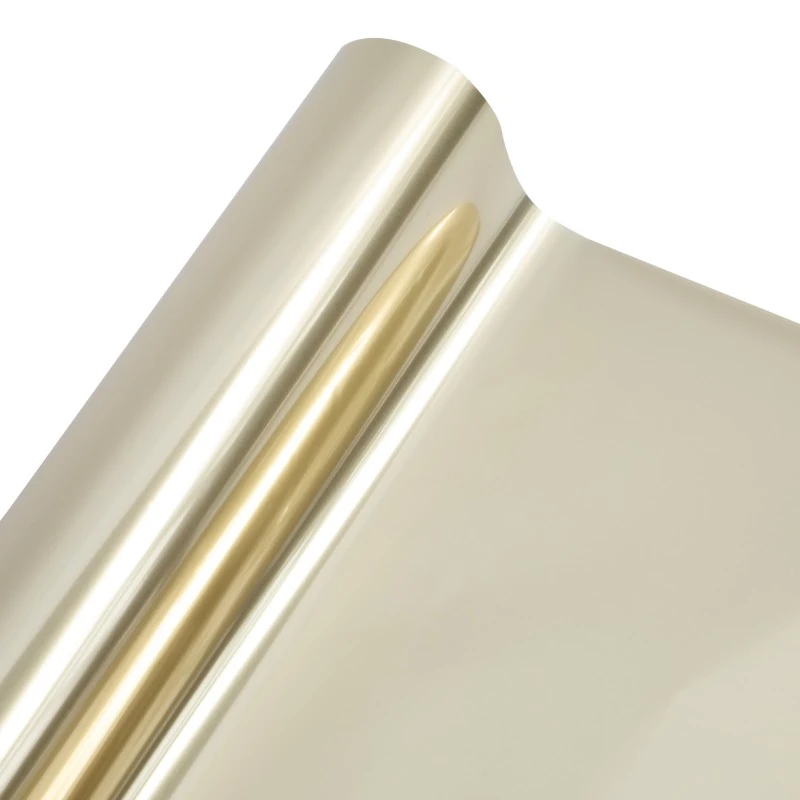
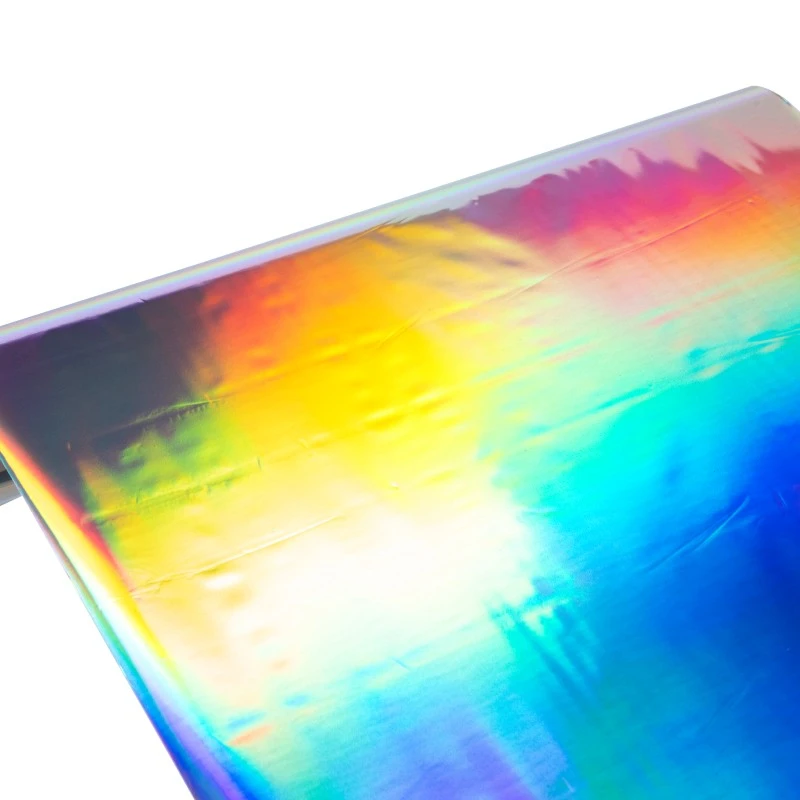
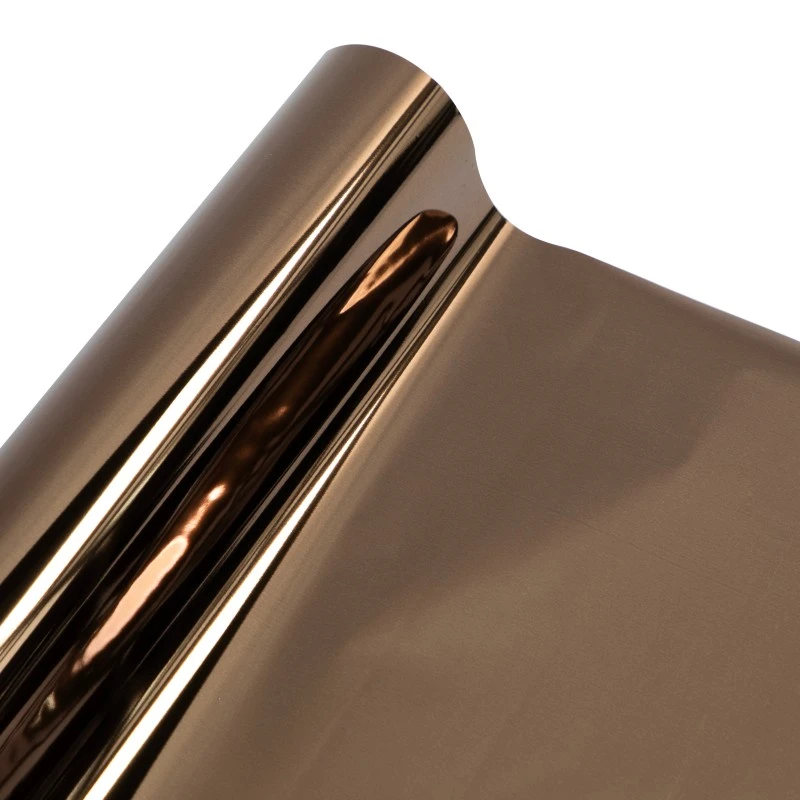
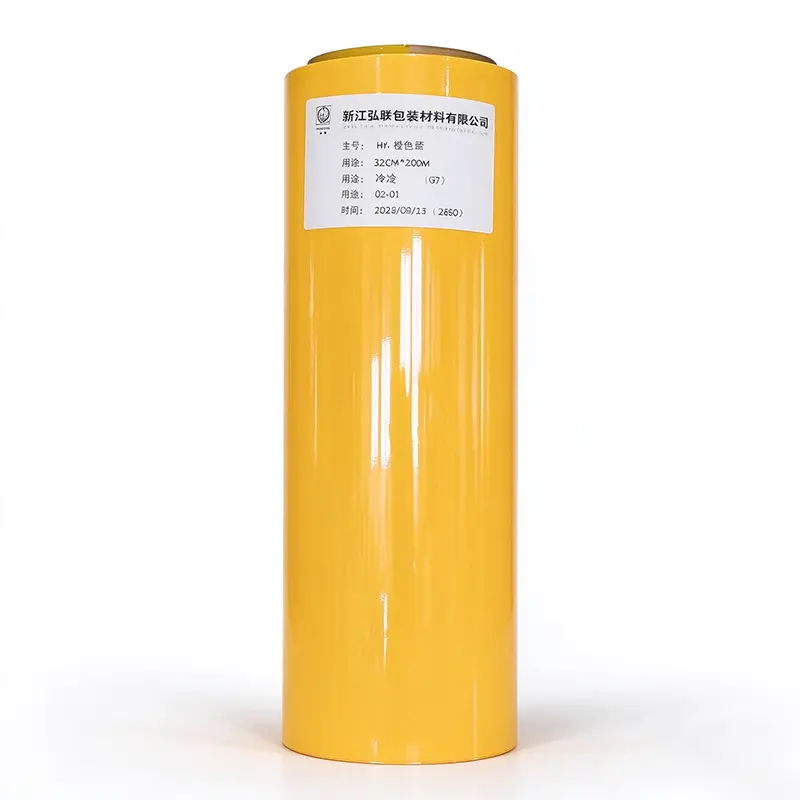
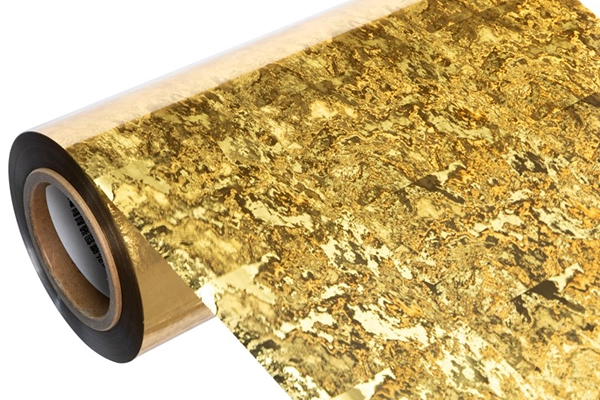
Hongye develops Pigment Flexo Cold Foil for converters and packaging manufacturers seeking precise color decoration, flexible design options, and efficient inline production. By using a high-purity organic pigment layer instead of a conventional vacuum-deposited metal layer, this specialized transfer material creates distinctive color effects for labels, packaging, and other printed products.
Pigment Flexo Cold Foil is a color-effect transfer material designed for UV cold stamping in rotary flexographic web printing. Unlike conventional metallic cold foil, which primarily relies on a metal layer to create reflective finishes, pigment-based foil uses a colored pigment layer to expand design possibilities. It supports customized colors, detailed patterns, and integration into continuous printing workflows. This guide explains its working principle, material specifications, manufacturing process, major advantages, application scenarios, and practical considerations for production teams evaluating cold foil solutions.
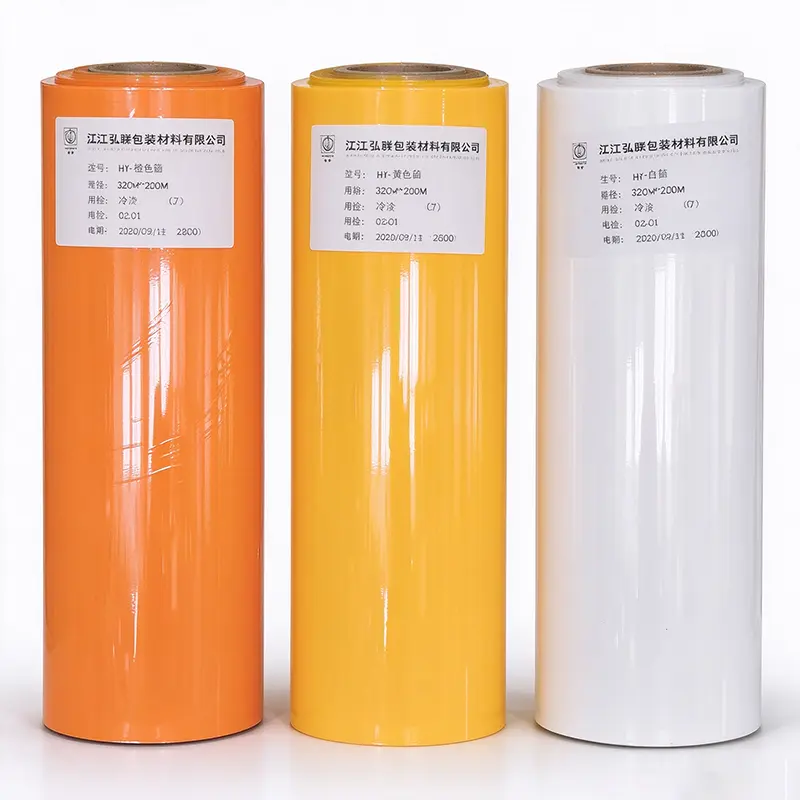
Pigment Flexo Cold Foil is a specialized transfer film used to produce colored decorative effects through the UV cold stamping process on flexographic printing presses. It is designed for applications that require more than the traditional gold or silver appearance associated with conventional cold foil.
Its defining feature is the use of a high-purity organic pigment coloring layer in place of the conventional vacuum-deposited metal layer. This structure enables a different approach to color presentation, supporting vivid shades, transparent visual effects, and more flexible decorative concepts.
The material is designed for integration with rotary web printing equipment. Instead of relying on a heated stamping die, the transfer process uses a compatible UV-curable cold stamping adhesive to bond the desired design to the substrate under controlled production conditions.
For packaging designers, this technology can help create distinctive visual identities without requiring every decorative element to use a traditional metallic finish. For converters, it offers another option for developing differentiated products within an established flexographic workflow.
Learn more about Hongye Pigment Flexo Cold Foil and its available specifications.
The performance of pigment cold foil depends on the interaction between the transfer film, UV adhesive, printing equipment, curing system, and substrate. Correct coordination of these components helps achieve consistent color transfer and accurate reproduction of the intended design.
Because this is a cold transfer process, it avoids the heated stamping dies associated with conventional hot foil stamping. Its suitability for inline production can help converters combine decorative transfer with other printing operations, potentially reducing separate handling steps.
Before purchasing pigment cold foil, production teams should confirm roll dimensions, core size, material construction, and compatibility with the intended press. The following specifications reflect the options published for Hongye's product.
| Specification | Available Option | Selection Consideration |
|---|---|---|
| Base material | PET film | Confirm suitability for the intended transfer process. |
| Base film thickness | 12 μm | Consider web handling and equipment requirements. |
| Available width | 32 cm, 64 cm, 128 cm, 140 cm | Match the working width of the press and cold foil unit. |
| Available roll length | 120 m, 300 m, 500 m, 1,000 m, 2,000 m, 5,000 m | Balance production demand, roll changes, and storage capacity. |
| Core inner diameter | 25.4 mm (1 inch), 76.2 mm (3 inches) | Verify compatibility with the unwinding and mounting system. |
| Minimum order quantity | 5,000 m² | Plan purchasing volume according to project requirements. |
These are listed product options, not a guarantee that every configuration is suitable for every press. Buyers should confirm current availability, color options, tolerances, and customized requirements directly with Hongye before placing an order.
Conventional metallic cold foil is commonly selected for gold, silver, and similar reflective effects. Pigment-based foil expands the design palette by using a colored pigment layer. This approach is useful for brands that want distinctive color treatments rather than relying exclusively on metallic decoration.
The product is designed for rotary flexographic UV cold stamping. Depending on press configuration and validated process settings, the transfer step can be integrated into a continuous production line alongside printing and varnishing operations. This can simplify production planning and reduce the need for separate decorative processing.
Packaging often requires consistent visual alignment with a brand's identity. Hongye indicates that customized color matching is available. Buyers should provide reference color cards or approved samples and establish an agreed color tolerance and inspection method before mass production.
Because the transfer pattern is defined through the adhesive application, cold foil can support decorative graphics and selected fine details. The final resolution depends on the plate design, adhesive behavior, anilox specification, substrate, press condition, and curing performance. Production trials are important when artwork includes small text or intricate lines.
Hongye's product description identifies a functional protective layer within its manufacturing structure. This layer is intended to support the performance of the transferred pigment design. However, scratch resistance, abrasion resistance, and durability depend on the complete material and finishing system. Buyers should validate these properties against actual handling and end-use requirements.
Pigment Flexo Cold Foil is worth evaluating wherever color decoration contributes to packaging recognition, product differentiation, or printed presentation. Potential applications include:
Application suitability should never be determined by appearance alone. For food-related packaging, the complete packaging construction must meet the applicable regulatory and migration requirements. A decorative foil should not be assumed to be suitable for direct food contact without supporting documentation and specific validation.
Even a well-designed transfer film requires controlled operating conditions. The following practices can help reduce transfer defects and improve repeatability.
When defects occur, investigate the complete process rather than changing a single parameter without diagnosis. Incomplete transfer, color variation, and edge defects may originate from different combinations of adhesive application, curing, tension, substrate surface, or foil compatibility.
Both materials are used for decorative transfer in flexographic printing, but their layer structures and visual objectives differ. The most appropriate choice depends on the intended artwork and production requirements.
| Comparison Factor | Pigment Flexo Cold Foil | Conventional Flexo Cold Foil |
|---|---|---|
| Coloring structure | Uses a colored pigment layer | Commonly uses a vacuum-deposited metallic layer |
| Visual objective | Colored, potentially transparent or high-fidelity decorative effects | Primarily reflective metallic decoration |
| Color customization | Customized pigment colors may be available | Depends on the foil grade and available finish range |
| Production method | UV adhesive cold transfer | Cold transfer using a compatible adhesive system |
| Best selection criterion | Color-led design and differentiated visual presentation | Metallic appearance and reflective accents |
Neither option is universally superior. Pigment cold foil is a logical candidate when the design calls for a specific colored decorative effect. Conventional cold foil may be preferable when a bright metallic appearance is the primary objective. Sample testing should determine which material delivers the best result for the actual artwork.
For related options, explore Hongye's Flexo Cold Foil and Holographic Flexo Cold Foil, and compare their intended visual effects before selecting a material.
The main difference is the coloring layer. Pigment Flexo Cold Foil uses a high-purity organic pigment layer instead of the conventional vacuum-deposited metal layer, providing an alternative for colored decorative effects beyond standard metallic finishes.
Yes. The product is designed for rotary flexographic UV cold stamping and can be incorporated into compatible inline production systems. Actual production speed and stability depend on the press, adhesive, curing system, substrate, and validated operating parameters.
Hongye indicates that customized color matching is available. To establish a reliable match, buyers should submit an approved color reference and confirm the sampling procedure, acceptable color deviation, and batch inspection criteria with the supplier.
The product includes a protective layer intended to support the transferred design during routine processing. Actual scratch and abrasion performance should be tested under the expected handling, coating, lamination, and end-use conditions.
Confirm the required color, roll width, length, core diameter, substrate, adhesive compatibility, UV curing conditions, minimum order quantity, and delivery schedule. Request samples and technical documentation when needed, especially for demanding applications.
Pigment Flexo Cold Foil gives packaging designers and converters another way to introduce distinctive color effects into flexographic printing. Its pigment-based construction, customized color options, and compatibility with UV cold stamping make it a useful candidate for projects that require more than conventional metallic decoration. Successful implementation still depends on selecting the correct specifications, coordinating adhesive and curing conditions, maintaining stable web handling, and validating the finished result through production trials.
Hongye offers Pigment Flexo Cold Foil with multiple roll dimensions and customization options to support different project requirements. If you are developing new packaging artwork or looking for an alternative decorative transfer material, review the product details and contact us to discuss color matching, technical compatibility, samples, and a quotation for your next printing project.
-