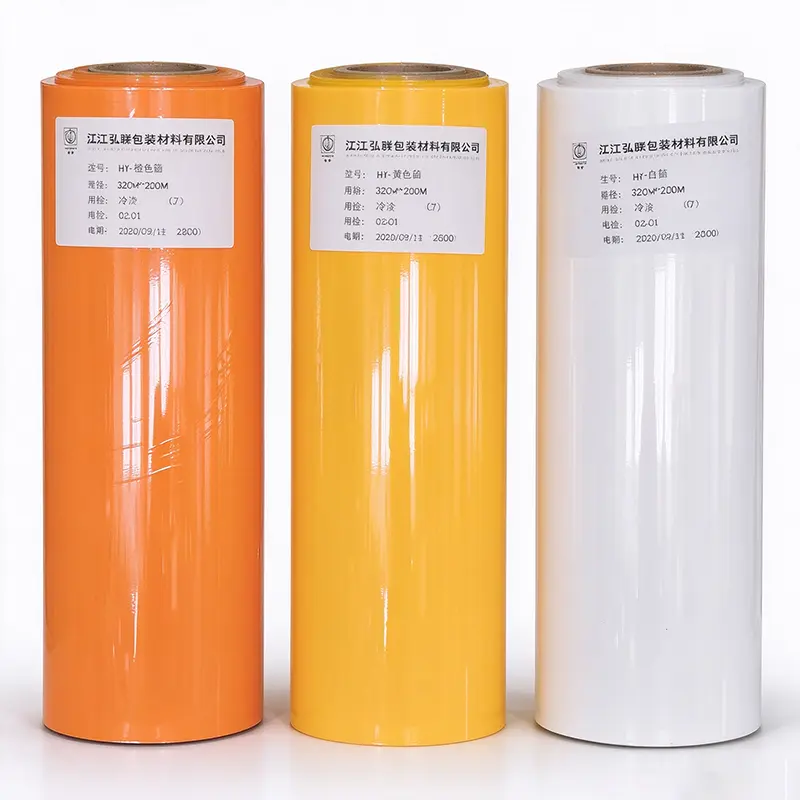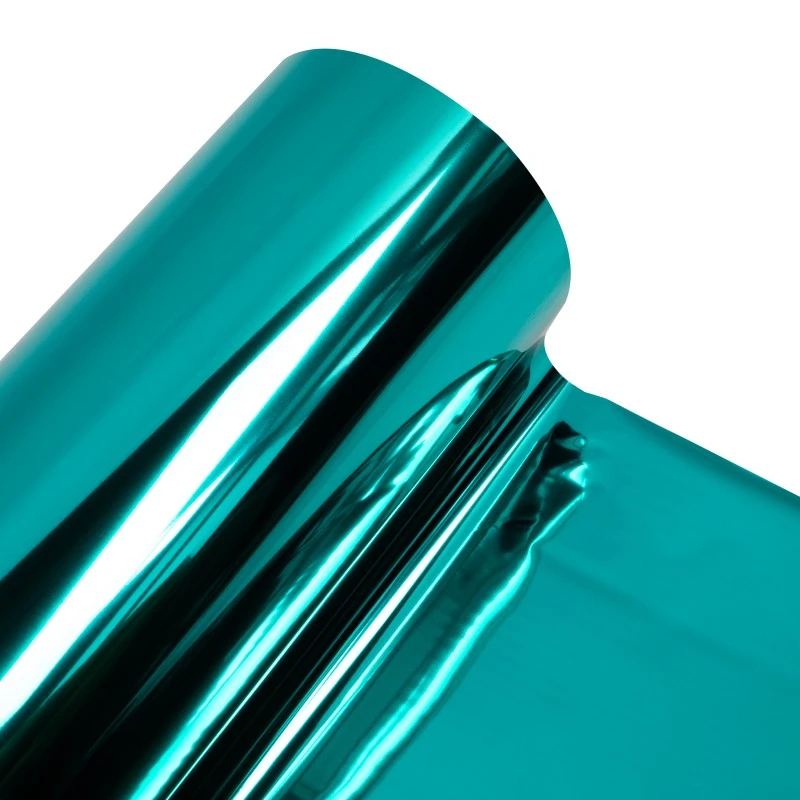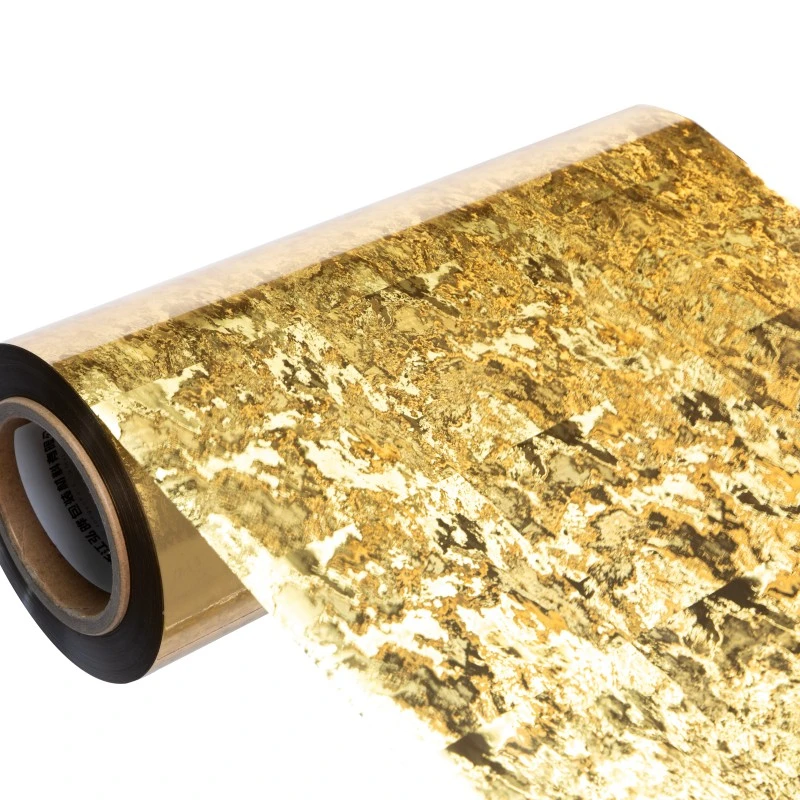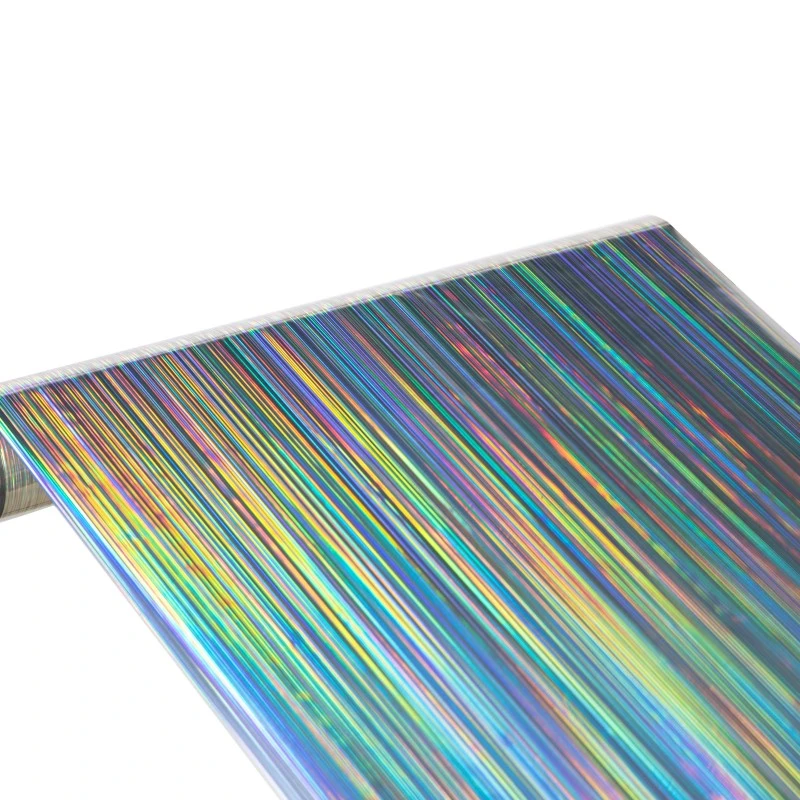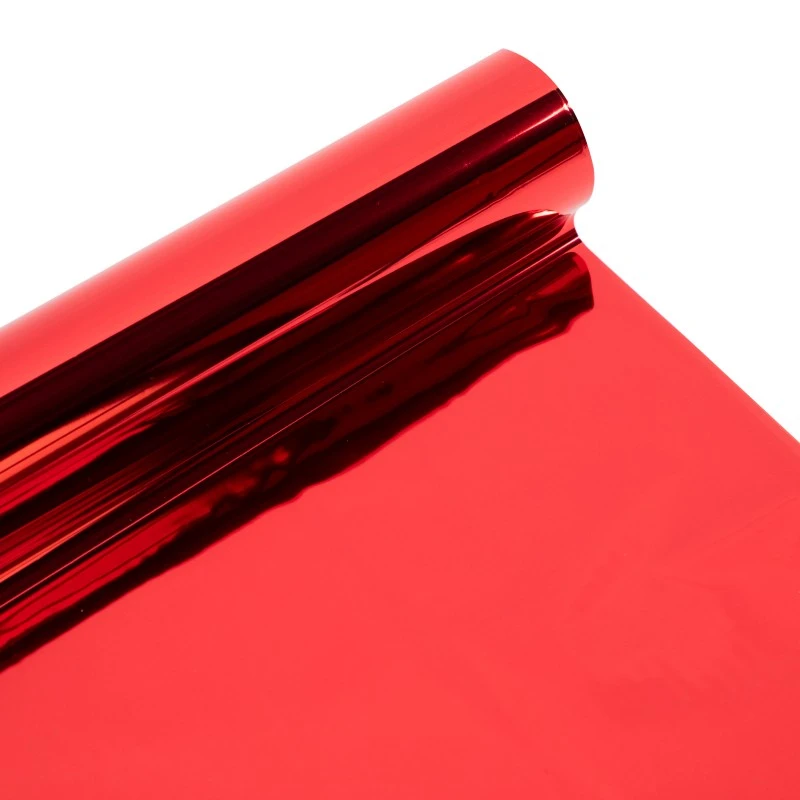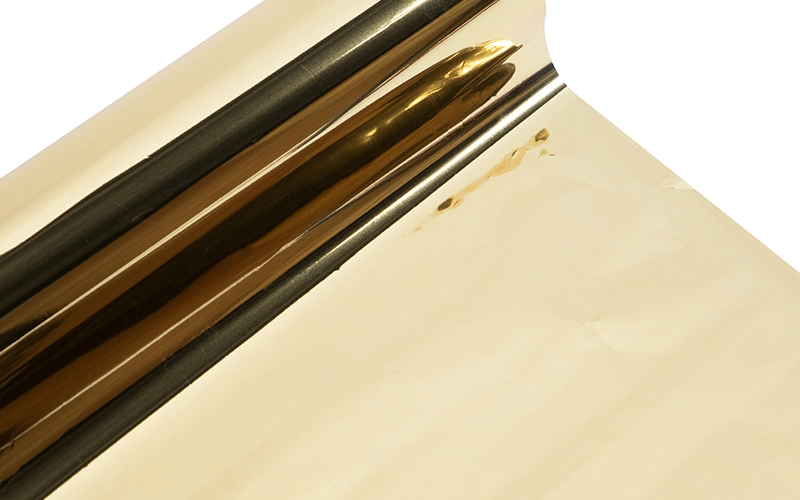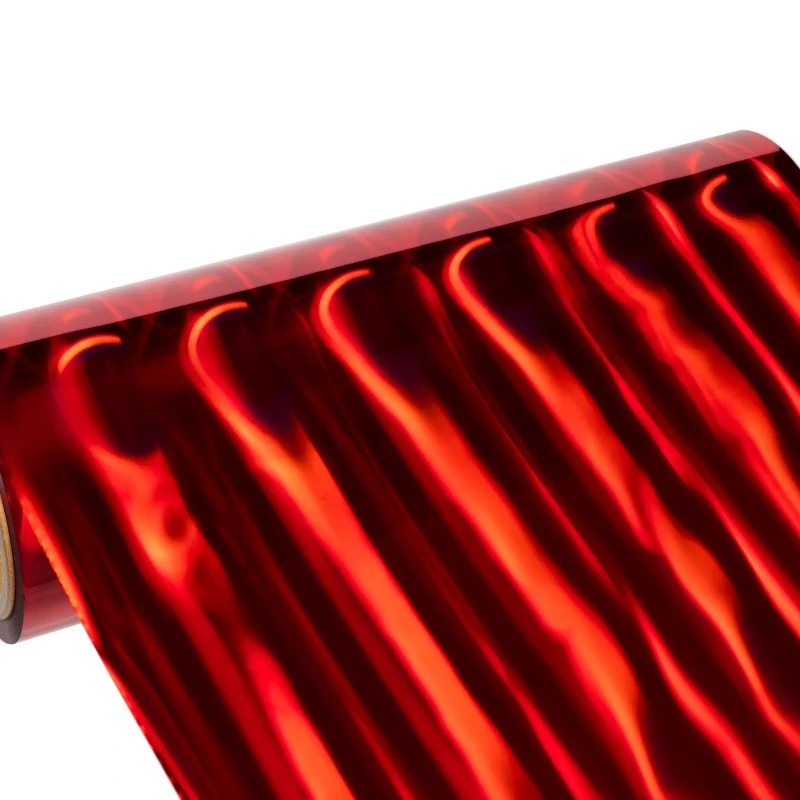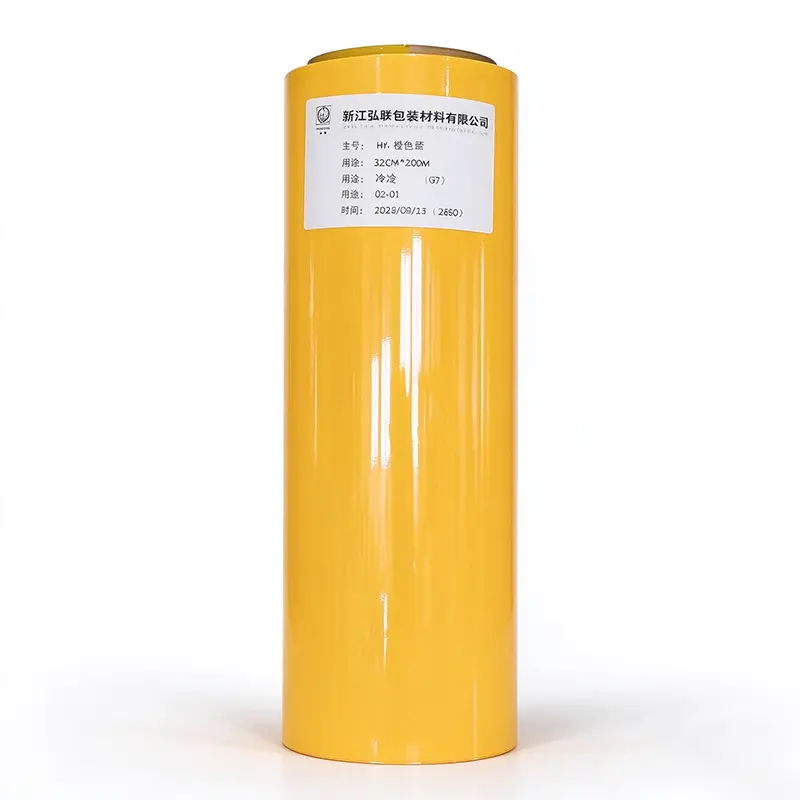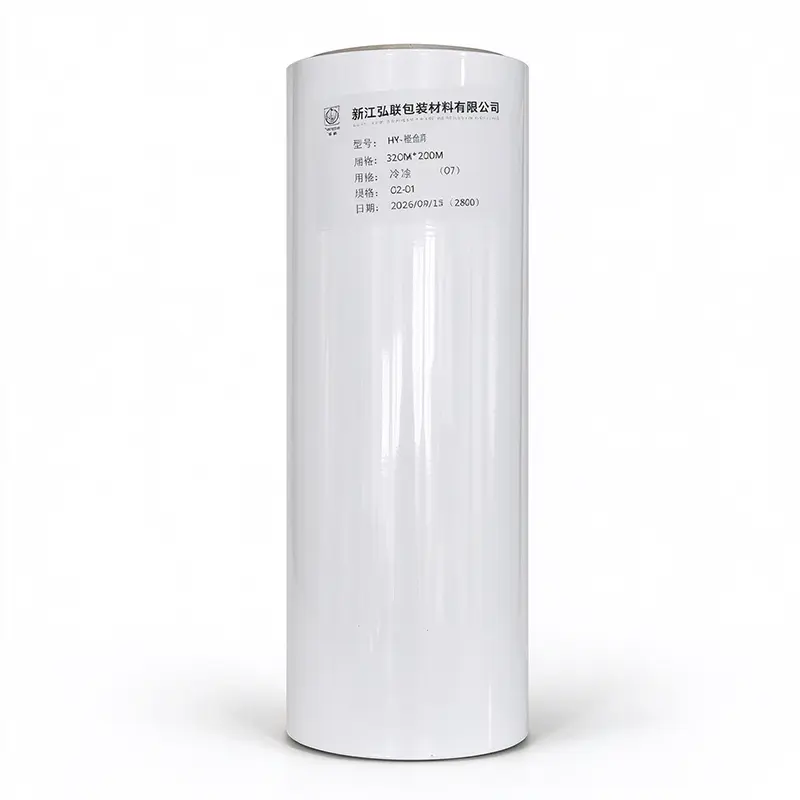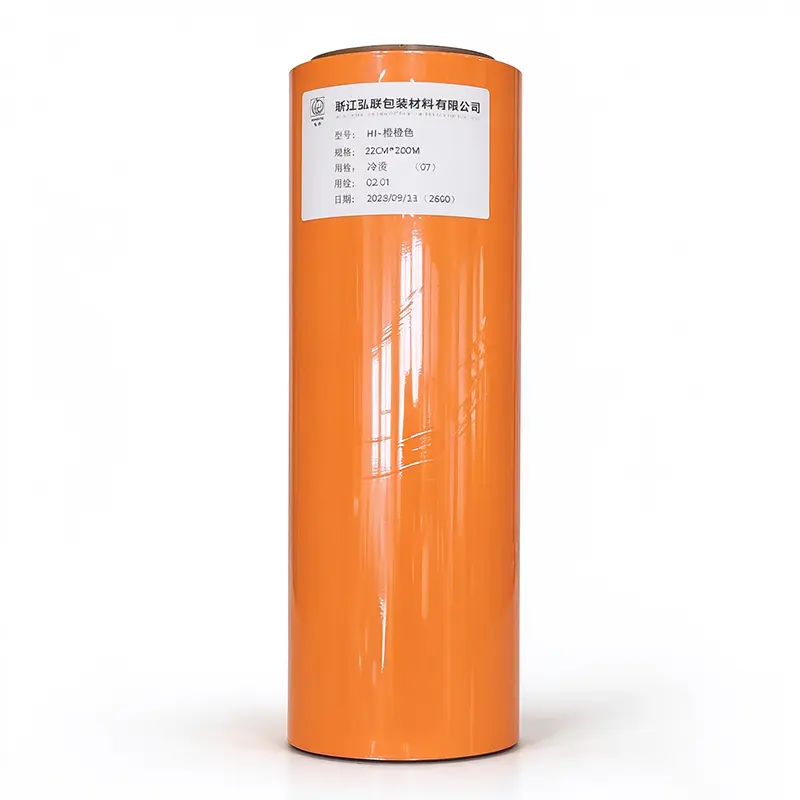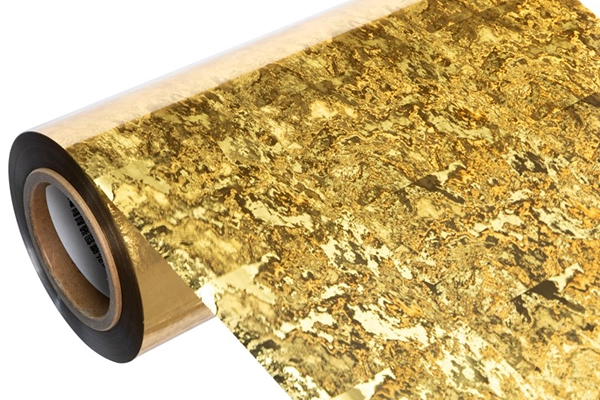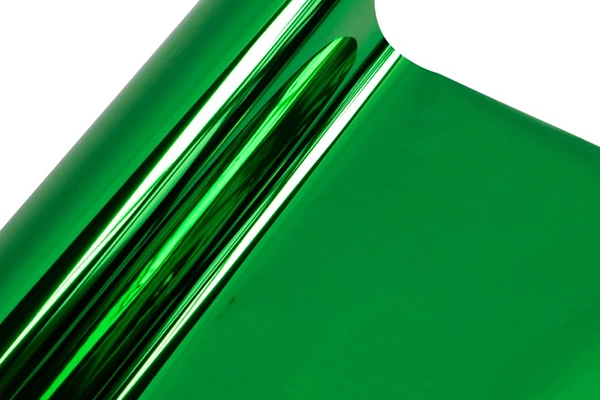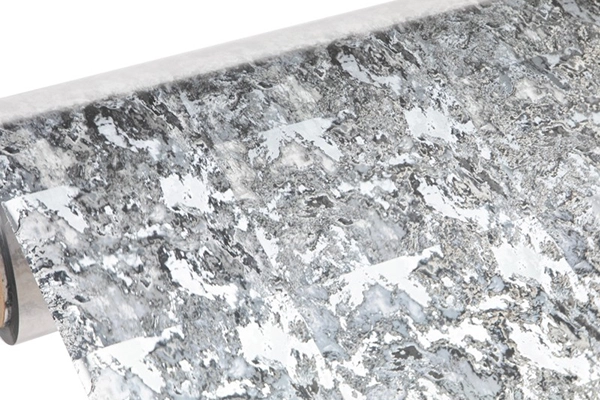
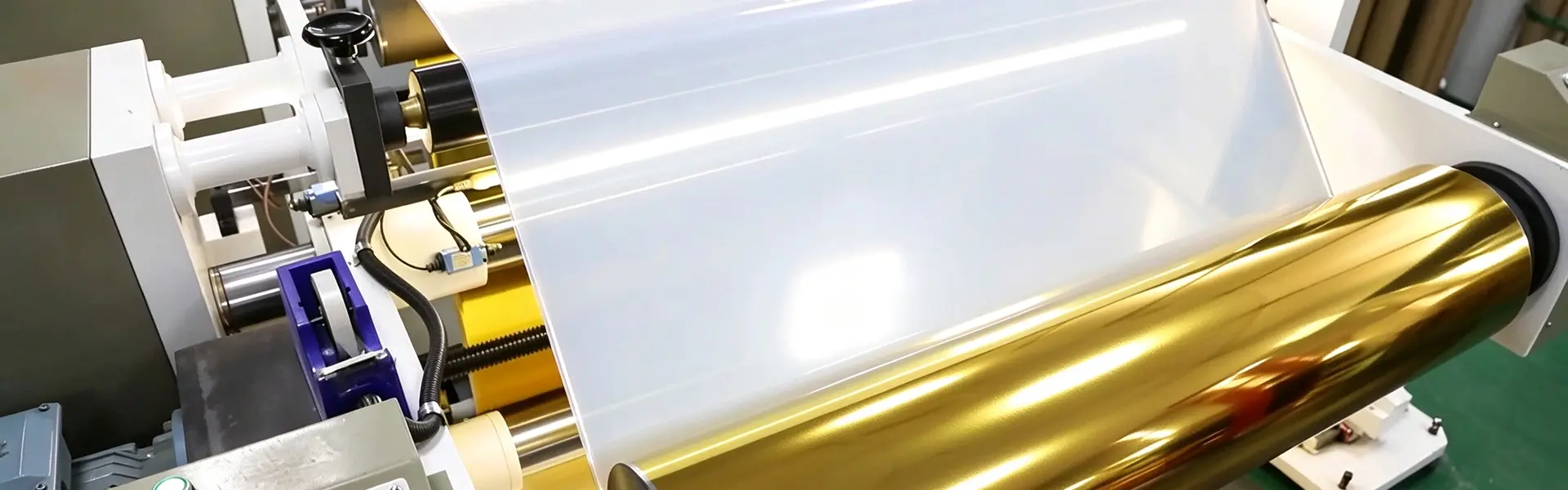
We offer a comprehensive range of cold foil and high-end replicated foil series designed to meet the diverse needs of tobacco and alcohol packaging, premium gift boxes, brand labels, and commercial printing.
Hongye is a professional manufacturer and supplier of Screen Print Cold Foil in China. When used in conjunction with screen-printable UV cold foil adhesive, this foil achieves rich metallic transfer effects. It is suitable for a wide range of substrates—such as paper, ribbons, PVC, leather, and plastics—that can accept a primer or adhesive coating. Various roll sizes are available to support everything from small-batch trial runs to large-scale production. It is widely used in gift boxes, signage, creative products, and decorative packaging projects.
Hongye’s screen print cold foil is specifically developed for the screen-printing UV cold foil process. A specialized UV cold foil adhesive is screen-printed onto the target substrate; the screen-print cold foil is then applied, followed by UV curing and the stripping of the carrier film to reveal a brilliant metallic pattern.
Compared to digital cold foil, the screen-printing process allows for a thicker layer of UV adhesive, providing excellent metallic coverage even over large areas of solid color. However, factors such as mesh count, adhesive coating thickness, UV lamp energy, and substrate surface characteristics will all influence the final transfer result.
Hongye also offers digital foil and toner foil; please feel free to contact us for inquiries.
| Item | Specification |
|---|---|
| Available Length | 120m / 300m / 500m / 1000m / 2000m / 5000m |
| Available Width | 32cm / 64cm / 128cm / 140cm |
| Core Inner Diameter | 25.4mm (1") / 76.2mm (3") |
| Base Film Thickness | 12μm |
| Base Material | PET |
| MOQ | 5000㎡ |
1. A thick layer of screen-printed UV adhesive ensures superior metallic coverage for large solid-color patterns.
2. Versatile substrate compatibility: paper, textile ribbons, synthetic leather, plastics, etc.
3. Excellent performance in decorative and gift-oriented printing applications.
1. Conduct printability tests prior to mass production to verify adhesion and transfer quality.
2. Recommended maximum speed: 150 m/min for optimal transfer quality.
3. Ensure appropriate nip pressure between the transfer roller and the substrate (typically 2–5 kg/cm).
4. Maintain stable web tension throughout the production process.
5. UV curing immediately after transfer is crucial for proper adhesion.
1. Fully compatible with post-transfer printing (overprinting); suitable methods include offset, flexo, or screen printing.
2. Apply a protective varnish to enhance scratch resistance and durability.
3. UV varnish is recommended for optimal chemical resistance and gloss retention.
4. Allow at least 24 hours for curing before conducting abrasion or fold endurance tests.