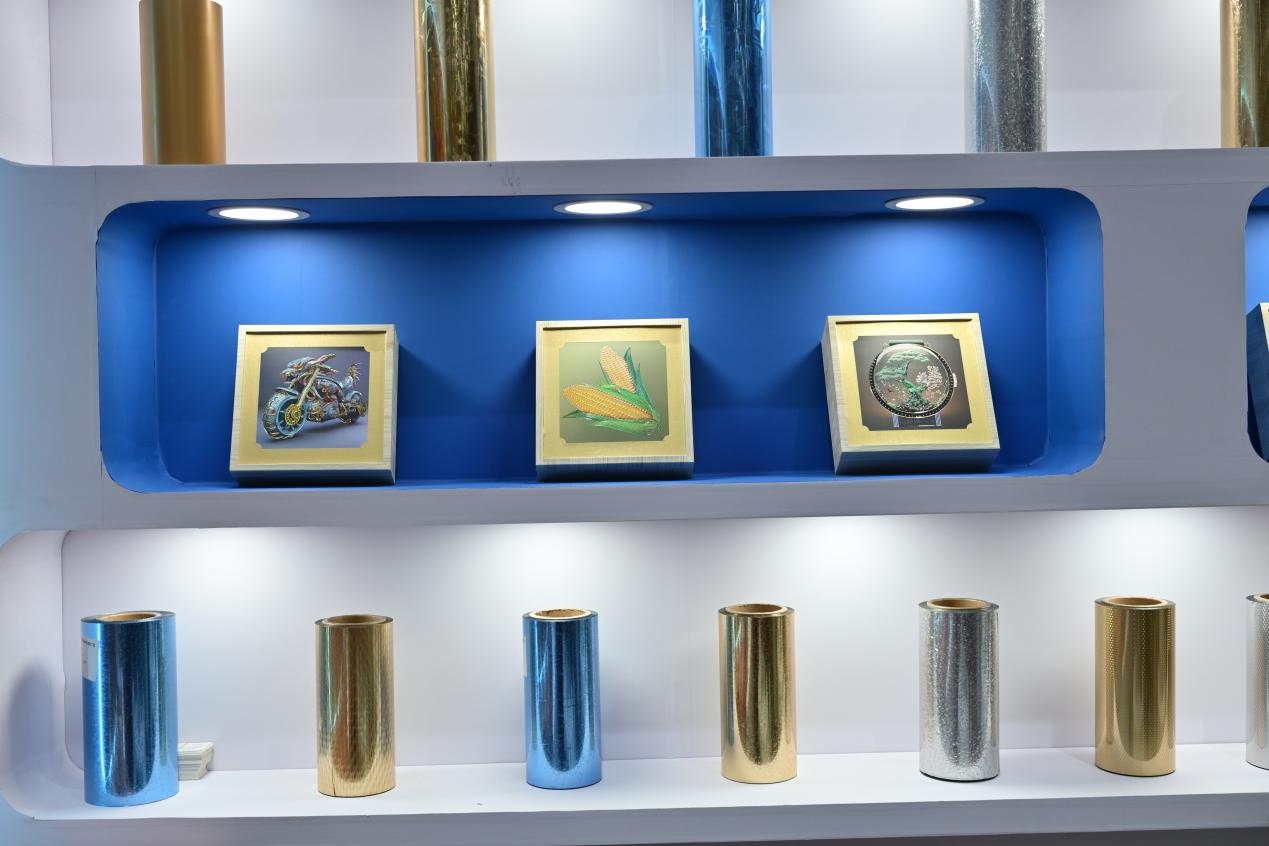
Stay updated with our latest product innovations, exhibition schedules, and company developments as we continue to expand our global market presence and technical capabilities.
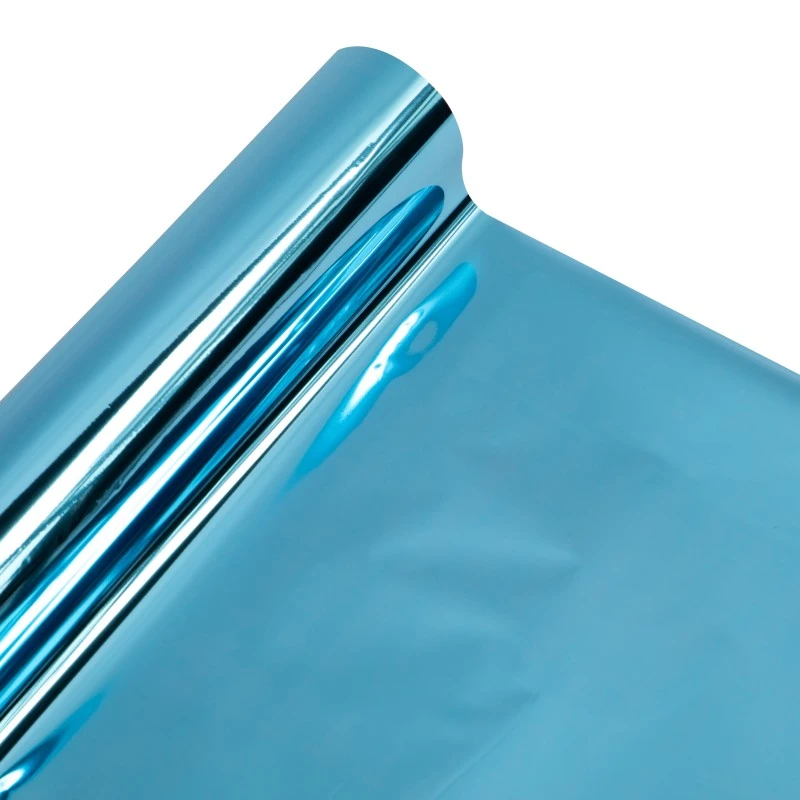
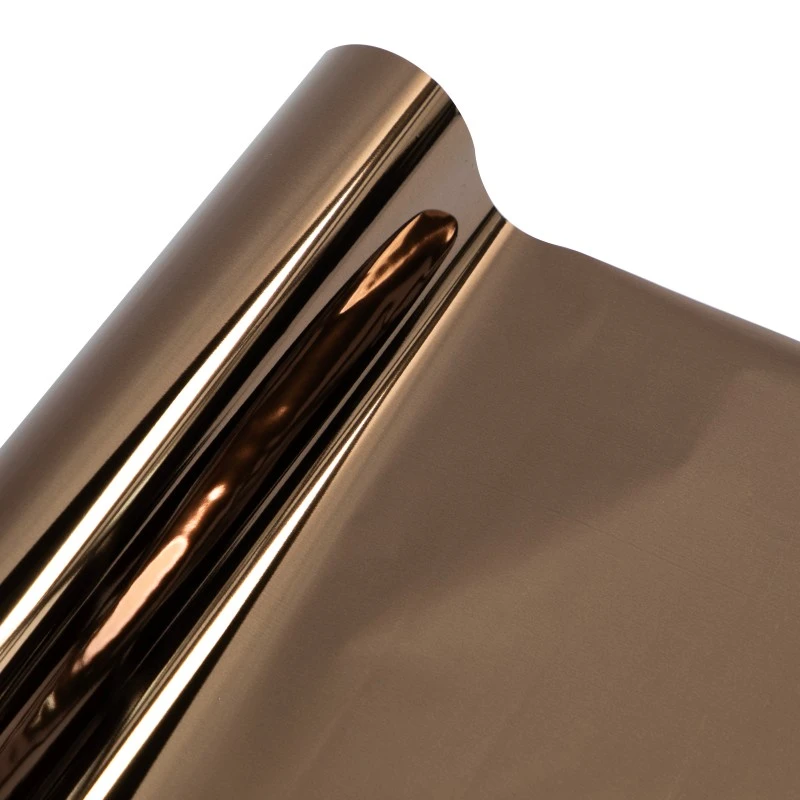
In competitive packaging markets, visual refinement can influence how consumers perceive a product before they even open it. Pearl Flexo Cold Foil from Hongye offers packaging manufacturers and printing professionals a way to create delicate pearlescent finishes through a flexographic cold stamping process. Designed for continuous production lines, this decorative foil combines soft visual depth, detailed image reproduction, and compatibility with suitable UV adhesive systems, making it an attractive option for premium labels, cosmetic packaging, and other printed products that require a distinctive appearance.
Pearl Flexo Cold Foil is a decorative transfer material developed for flexographic printing applications that require a refined, pearl-like appearance rather than the strong metallic reflection associated with conventional gold or silver foil. By combining a pearlescent coating with a compatible cold stamping process, printers can create subtle gradients, elegant highlights, and detailed decorative elements without relying on heated stamping dies. This guide explains how the material works, its key characteristics, suitable applications, technical specifications, selection criteria, and quality-control considerations for commercial printing projects.
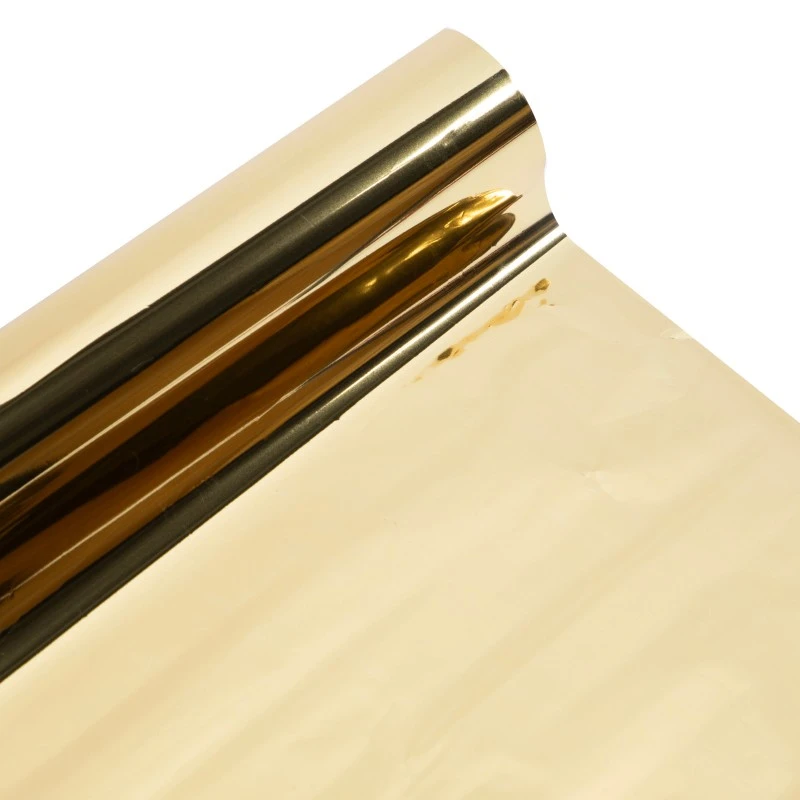
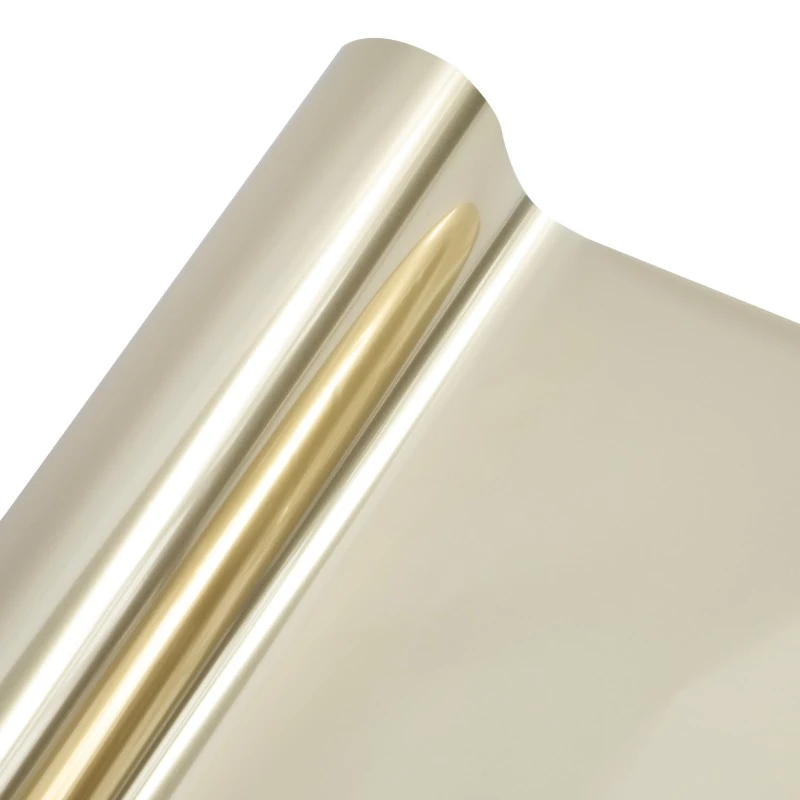
Pearl Flexo Cold Foil is a specialized decorative film used in flexographic printing and cold stamping systems. Unlike conventional metallic foils, which primarily emphasize mirror-like reflection, pearlescent foil is designed to produce a softer visual effect with subtle luminosity and a delicate, layered appearance.
Hongye develops this product using a composite coating process incorporating ultra-fine mica pearlescent powder. The resulting finish helps printed surfaces achieve a sophisticated decorative effect while maintaining the visual clarity needed for detailed packaging graphics.
The material is intended for narrow-web and wide-web rotary flexographic continuous production lines equipped with compatible cold stamping units. It works with suitable UV adhesive systems and does not require the heated dies associated with traditional hot foil stamping.
Depending on the artwork, substrate, and printing conditions, Pearl Flexo Cold Foil can be used to enhance:
For product details and available configurations, visit the Hongye Pearl Flexo Cold Foil product page.
Flexographic cold foiling transfers a decorative layer to selected areas of a printed substrate through a controlled adhesive and transfer process. Instead of pressing a heated die against the material, the system uses a compatible adhesive to define where the foil should adhere.
Although exact machine settings depend on the equipment and materials used, the typical production sequence includes the following steps.
The principal advantage of this approach is process integration. Decorative foil application can take place within a compatible flexographic production line, reducing the need for a separate hot stamping operation. Actual throughput and cost savings depend on press configuration, job complexity, setup requirements, and production volume.
The defining characteristic of pearl foil is its restrained luminosity. Rather than creating an overwhelmingly reflective metallic surface, it introduces a subtle sheen that can complement minimalist artwork, sophisticated typography, and premium packaging layouts.
This visual quality is particularly useful when a brand wants packaging to look refined without relying on excessive decorative elements.
Decorative details can lose their clarity when a transfer material is poorly matched to the printing process. Hongye identifies dot reproduction and resistance to dot distortion as important characteristics of its Pearl Flexo Cold Foil.
When the foil, adhesive, printing plate, and press settings are properly matched, designers can pursue detailed graphics and controlled decorative patterns. Fine lines and small elements should still be validated through production trials, especially when the artwork includes very small text or intricate patterns.
The product is developed for narrow-web and wide-web rotary flexographic lines equipped with compatible cold stamping systems. This makes it relevant to manufacturers seeking to integrate decorative effects into established printing workflows.
For high-volume projects, the ability to maintain stable transfer quality over an extended run is an important purchasing consideration. Actual performance should be verified at the intended production speed.
Overprinting can expand the creative possibilities of a pearlescent finish by combining decorative transfer with additional colors, graphics, or protective coatings. However, ink adhesion, coating transparency, and curing conditions must be evaluated together.
Hongye highlights online overprinting compatibility as a product feature. Buyers should confirm the suitability of their specific ink and varnish combinations before approving a production specification.
Hongye describes the product as having broad substrate adaptability and compatibility with flexible substrates. Nevertheless, compatibility is not universal: surface treatment, substrate chemistry, flexibility, and adhesive selection all influence the final result.
Sample testing remains the most reliable way to determine whether a particular substrate and process combination will deliver the required transfer quality.
Technical specifications help purchasing teams determine whether a foil roll fits their press configuration and production requirements. The following table summarizes the options published on Hongye's Pearl Flexo Cold Foil product page.
| Specification | Available Option | Selection Consideration |
|---|---|---|
| Base material | PET | Confirm suitability for the intended press and transfer process. |
| Base film thickness | 12 μm | Check compatibility with the machine's web handling requirements. |
| Available width | 32 cm, 64 cm, 128 cm, 140 cm | Match the foil width to the usable printing width and artwork layout. |
| Available roll length | 120 m, 300 m, 500 m, 1,000 m, 2,000 m, 5,000 m | Balance production volume, roll changes, and material inventory. |
| Core inner diameter | 25.4 mm (1 inch), 76.2 mm (3 inches) | Verify compatibility with the press shaft or unwind system. |
| Minimum order quantity | 5,000 m² | Confirm the current MOQ, sampling policy, and order requirements. |
Note: Specifications are based on the product information published by Hongye. Confirm the current specification, tolerances, customization options, and order conditions directly with the supplier before placing an order.
For manufacturers handling multiple production formats, selecting the correct width and core diameter can reduce setup complications. Roll length should also reflect expected consumption, changeover frequency, storage conditions, and the quantity required for quality validation.
Pearl Flexo Cold Foil is most useful where the visual presentation of printed materials contributes to product differentiation. Its soft decorative finish can complement both premium branding and restrained graphic design.
Cosmetic packaging often relies on carefully balanced colors, typography, and surface finishes to communicate product identity. Pearlescent effects can highlight logos, borders, or selected design elements without making the entire package highly reflective.
Potential applications include selected cosmetic labels, beauty product cartons, and personal care packaging, subject to substrate and process compatibility.
Labels are frequently used to communicate brand identity within a limited printable area. Pearl foil can help emphasize product names and decorative elements while preserving a softer visual appearance than conventional metallic stamping.
Its suitability for a particular label depends on the label stock, adhesive system, printing configuration, and finishing requirements.
Gift packaging benefits from visual details that create a sense of care and quality. Pearlescent finishes can enhance decorative patterns, fine borders, and brand marks on selected packaging formats.
Selected greeting cards, promotional graphics, and specialty printed materials may also benefit from pearlescent decoration. Before production, printers should evaluate whether the material, surface coating, and intended handling conditions support the required appearance and durability.
Across these applications, the objective is not simply to add shine. It is to use the right decorative effect in a way that supports readability, visual hierarchy, and the brand's overall presentation.
Choosing a suitable foil requires more than comparing prices or selecting a finish from a product photograph. A reliable specification should consider the entire printing system, from the substrate to the final inspection stage.
Determine whether the artwork requires a subtle pearl sheen, a stronger decorative highlight, or a combination of pearlescent and printed colors. Discuss the desired brightness and transparency with the supplier, and request samples when these characteristics are critical to the design.
Provide the press manufacturer, machine model, usable web width, core diameter, and intended running conditions. Confirm that the machine has a suitable cold stamping unit and that the foil is compatible with the adhesive and curing system.
Different substrates can behave differently during transfer. Surface energy, coatings, flexibility, and surface contamination can affect adhesion and appearance.
Before ordering for mass production, test the actual substrate together with the intended adhesive and any planned overprinting inks or varnishes.
Consider the following purchasing checklist:
Clear technical communication at the quotation stage can reduce avoidable production delays and help ensure that the supplied material matches the actual application.
Consistent decorative transfer depends on both material quality and process control. Even a suitable foil may produce unsatisfactory results if the adhesive, curing conditions, web tension, or substrate preparation are poorly controlled.
Hongye describes several testing approaches for its Pearl Flexo Cold Foil, including online overprinting simulation, high-speed running durability evaluation, and adhesion and wear-resistance testing.
Overprinting tests help evaluate how the pearlescent layer interacts with selected inks and varnishes. These trials can identify issues such as reduced transparency, uneven appearance, or poor ink adhesion before a job enters full production.
Continuous running trials help assess material handling, tensile performance, resistance to breakage, and antistatic behavior under relevant machine conditions. The test speed and duration should reflect the intended application as closely as practical.
Dry-rub and wet-rub tests can help identify transfer loss, delamination, or powdering risks. Additional evaluation may be appropriate after slitting, rewinding, converting, or transportation.
Before approving a production batch, printers should inspect:
For demanding packaging projects, define acceptance criteria before testing begins. Record the approved sample and process settings so that production teams can compare subsequent runs against an agreed reference.
Both cold foiling and hot stamping can create decorative effects, but they use different transfer mechanisms. The appropriate choice depends on the printing equipment, artwork, substrate, production volume, and required finish.
| Comparison Factor | Pearl Flexo Cold Foil | Traditional Hot Stamping |
|---|---|---|
| Transfer method | Uses compatible adhesive in a cold transfer process | Uses heat, pressure, and a stamping die |
| Heating requirement | No heated stamping die is required | Requires a heated stamping system |
| Production integration | Can operate inline on compatible flexographic lines | Often uses a dedicated stamping operation, depending on equipment |
| Visual character | Designed for a soft, pearlescent appearance | Depends on the foil grade and may include strong metallic effects |
| Artwork suitability | Suitable for selected detailed graphics and decorative areas when properly configured | Suitable for many defined stamping areas, depending on die and material |
| Key evaluation factor | Adhesive compatibility, transfer quality, and press stability | Die design, temperature, pressure, and substrate response |
Cold foiling may be advantageous when a compatible flexographic line can integrate decoration into the existing printing workflow. Hot stamping may be preferable for projects requiring a particular tactile impression, a dedicated stamped effect, or an established stamping process.
Neither method is universally superior. A production trial using the actual artwork and substrate is the best basis for comparing finish quality, throughput, waste, and total manufacturing cost.
Pearl Flexo Cold Foil is used to add a delicate pearlescent finish to suitable printed materials. Potential applications include premium labels, cosmetic packaging, gift boxes, and selected promotional products that require refined decorative details.
No. The cold stamping process does not require the heated stamping die used in traditional hot stamping. It does, however, require a compatible cold stamping unit and an appropriate adhesive and curing system.
Hongye lists PET as the base material and 12 μm as the base film thickness. Available widths are 32 cm, 64 cm, 128 cm, and 140 cm, while roll lengths range from 120 m to 5,000 m. The listed core diameters are 1 inch and 3 inches. Confirm availability and current specifications with the supplier.
Hongye identifies online overprinting compatibility as one of the product's key features. The final result depends on the selected ink, varnish, adhesive, curing conditions, and substrate. Testing the complete combination is recommended before mass production.
Hongye states that brightness and transparency can be fine-tuned according to customer requirements. Buyers should communicate their target appearance and confirm the available customization options during the quotation and sampling process.
Use a compatible adhesive, verify curing conditions, maintain stable web tension, and confirm that the substrate is suitable for the selected foil. Inspect transfer uniformity, registration, and adhesion during a production trial, then establish process settings based on the approved sample.
The product page lists a minimum order quantity of 5,000 m². Buyers should confirm the current MOQ, sample availability, lead time, and customization requirements directly with Hongye before placing an order.
Hongye indicates that corresponding batch compliance testing materials can be provided. If your project requires specific test reports or documentation, identify those requirements before ordering and confirm which documents are available for the selected product and batch.
Pearl Flexo Cold Foil offers packaging manufacturers a practical way to combine delicate pearlescent decoration with compatible flexographic production processes. Its soft visual finish, potential for detailed graphics, and suitability for continuous printing lines make it worth considering for brands seeking a more distinctive packaging appearance.
Successful implementation depends on selecting the right roll specifications, verifying substrate and adhesive compatibility, validating overprinting performance, and establishing clear quality-control criteria. These steps help purchasing teams and printers assess both the visual result and the reliability of the production process.
Hongye provides Pearl Flexo Cold Foil in a range of roll widths and lengths to support different production requirements. If you are developing a new packaging design or optimizing an existing printing line, explore Hongye's Pearl Flexo Cold Foil solutions and contact us to discuss your substrate, press configuration, preferred pearlescent effect, and customization requirements. Our team can help you evaluate suitable specifications and identify the next steps toward a consistent, high-quality decorative finish.